
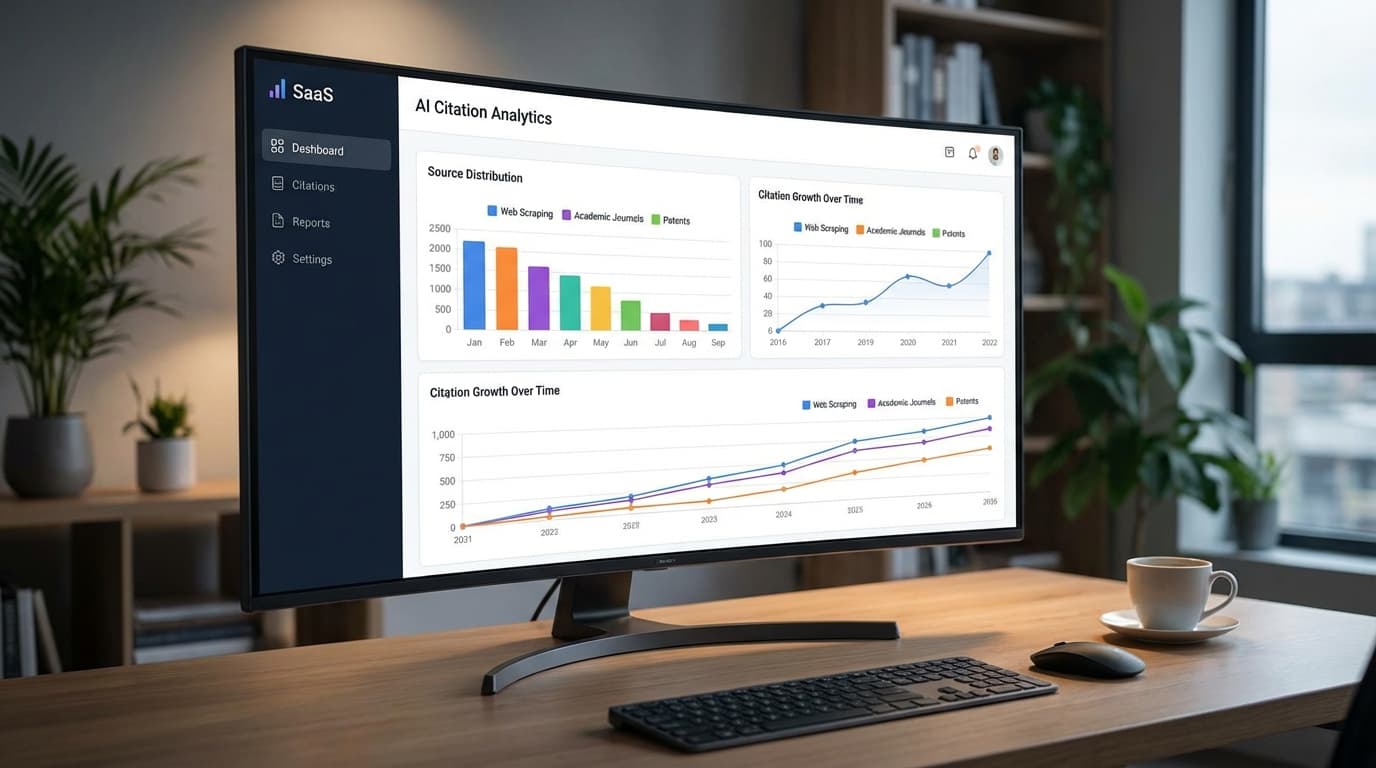
A growing share of your potential customers never see a traditional search result before making a decision. They ask ChatGPT, Gemini, or Perplexity for a recommendation, get an answer, and move on. If your brand isn't part of that answer, you're invisible to them. AI visibility tracking tools give you a way to measure, monitor, and improve how often your brand gets cited by these AI systems.
Until recently, there was no reliable way to know whether an AI assistant mentioned your company. You could manually type queries and hope your name showed up, but that approach doesn't scale and gives you a tiny, biased sample. Purpose-built AI visibility tracking tools solve this by systematically monitoring AI outputs across models, queries, and time periods. They turn a guessing game into a data-driven process.
This guide covers what AI visibility tracking actually means, why it matters for your bottom line, which tools are worth your attention, and how to build a tracking workflow from scratch.
What Is AI Visibility Tracking?
AI visibility tracking is the practice of monitoring whether and how AI assistants reference your brand, products, or content when responding to user queries. It sits at the intersection of brand monitoring and search analytics, but adapted for a world where answers come from large language models rather than ranked lists of links.
Traditional SEO tracking measures keyword rankings in search results. AI visibility tracking measures something different: whether your brand appears in generated responses, how prominently it's positioned, what context surrounds the mention, and how consistent that visibility is across different queries and models. A brand might rank well on Google but be completely absent from ChatGPT responses, or vice versa.
The core metrics in AI visibility tracking include citation frequency (how often your brand appears), citation context (whether you're recommended, merely mentioned, or compared unfavorably), query coverage (which types of queries trigger your brand mention), and model coverage (which AI assistants cite you versus which ones don't).
Why AI Visibility Tracking Matters in 2026
The numbers tell a clear story. Research from multiple firms indicates that over 40% of informational queries that previously went to search engines are now directed to AI assistants. For certain demographics, particularly professionals under 40, that number is even higher. This isn't a trend that's going to reverse.
When someone asks ChatGPT "what's the best project management tool for small teams?" and your product isn't in the response, you've lost that potential customer before they ever visited your website. There's no click-through rate to optimize because there was never a link to click. The AI gave a direct answer, and your brand wasn't part of it.
This creates a measurement blind spot for companies relying solely on traditional analytics. Your Google Analytics dashboard looks the same whether ChatGPT is recommending you to thousands of users or ignoring you entirely. Without dedicated AI visibility tracking tools, you're operating without crucial data about an increasingly important discovery channel.
The financial implications are significant. Brands that appear in AI recommendations benefit from implicit endorsement. When ChatGPT suggests a product, users treat it with more trust than a traditional ad or even an organic search result. Capturing this visibility translates directly into brand awareness, consideration, and conversion.
Top AI Visibility Tracking Tools
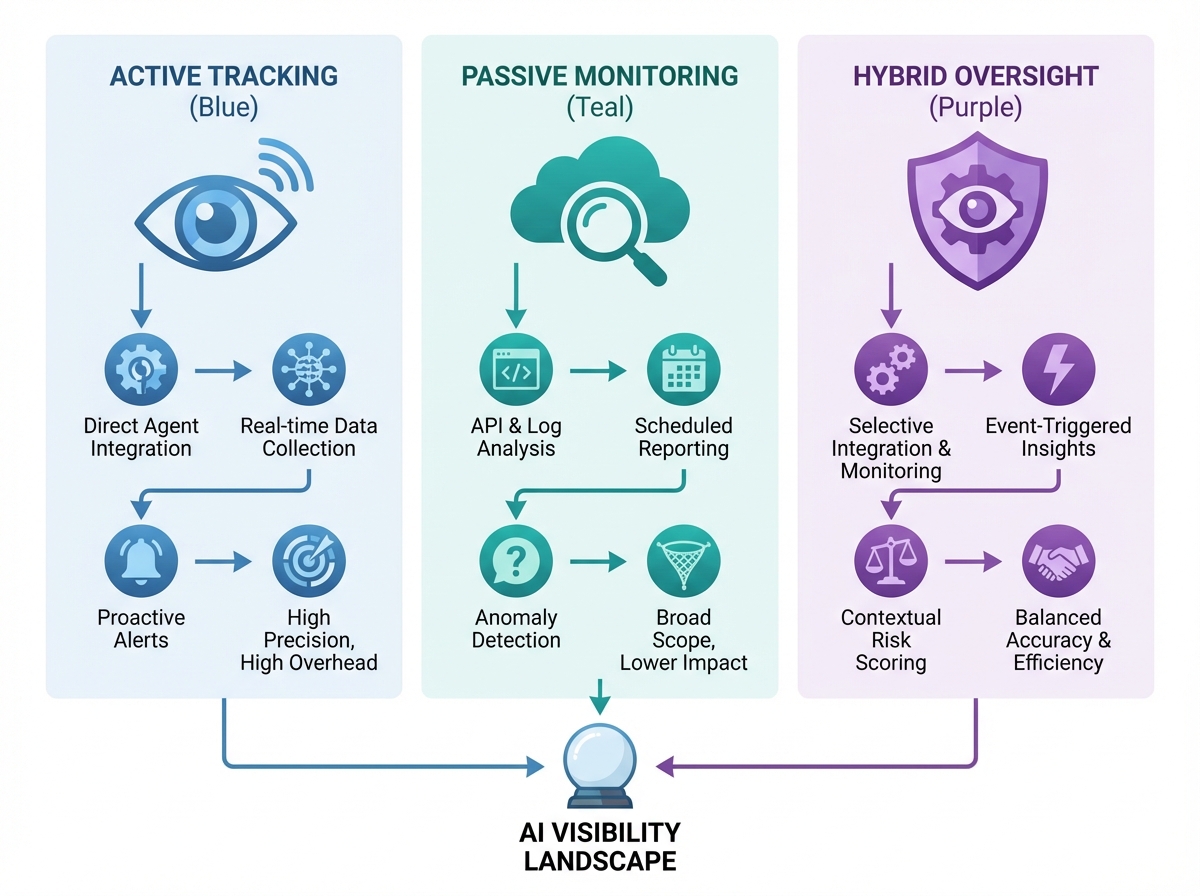
The AI visibility tracking space has matured quickly. Here are the tools worth evaluating, starting with the most comprehensive option.
Gondla Citation Radar
Gondla built Citation Radar specifically for brands that want to understand and improve their presence in AI-generated responses. Rather than treating AI visibility as an afterthought bolted onto traditional SEO, Gondla designed its platform around the unique challenges of tracking citations across multiple language models.
Citation Radar monitors your brand mentions across ChatGPT, Gemini, Perplexity, Claude, and other major AI assistants. It tracks not just whether you're mentioned but the sentiment and context of each citation. You can see whether ChatGPT recommends you as a top choice, lists you as one option among many, or positions a competitor ahead of you.
The platform provides historical trend data so you can correlate visibility changes with your content and optimization efforts. If you publish a new comparison guide and your ChatGPT citation rate increases the following week, Citation Radar surfaces that connection. It also alerts you to visibility drops so you can investigate and respond before losing significant ground.
What sets Gondla apart from general-purpose monitoring tools is its focus on actionable optimization. The platform doesn't just tell you where you stand. It analyzes the content that AI assistants are pulling from, identifies gaps in your content strategy, and suggests specific improvements to increase your citation rate. This closes the loop between measurement and action.
Perplexity Analytics (for Perplexity-specific tracking)
Perplexity offers built-in publisher analytics for content sources that appear in its responses. If your content gets cited in Perplexity answers, you can see referral traffic and citation frequency through their dashboard. The limitation is that this only covers Perplexity, not other AI assistants, so it provides a partial picture at best.
Manual Monitoring with Systematic Query Testing
Some teams start with a structured manual approach before investing in tooling. This involves maintaining a list of target queries, systematically testing them across AI platforms on a regular schedule, and logging results in a spreadsheet. It's time-intensive but costs nothing and can help you validate whether AI visibility tracking is worth deeper investment for your specific situation.
The downside is scalability. Manual testing covers a fraction of the queries your potential customers actually ask. AI responses also vary between sessions and users, so a single test gives you a snapshot rather than a reliable measurement. Most teams that start with manual testing eventually move to automated tools once they confirm the channel matters for their business.
Brand Monitoring Tools with AI Coverage
Several established brand monitoring platforms have started adding AI citation tracking as a feature. These tools typically monitor a broader set of online mentions (social media, news, forums) and have expanded to include AI assistant mentions. They provide a wider view of brand perception but often lack the depth of AI-specific analysis that dedicated tools offer.
How to Get Started with AI Visibility Tracking
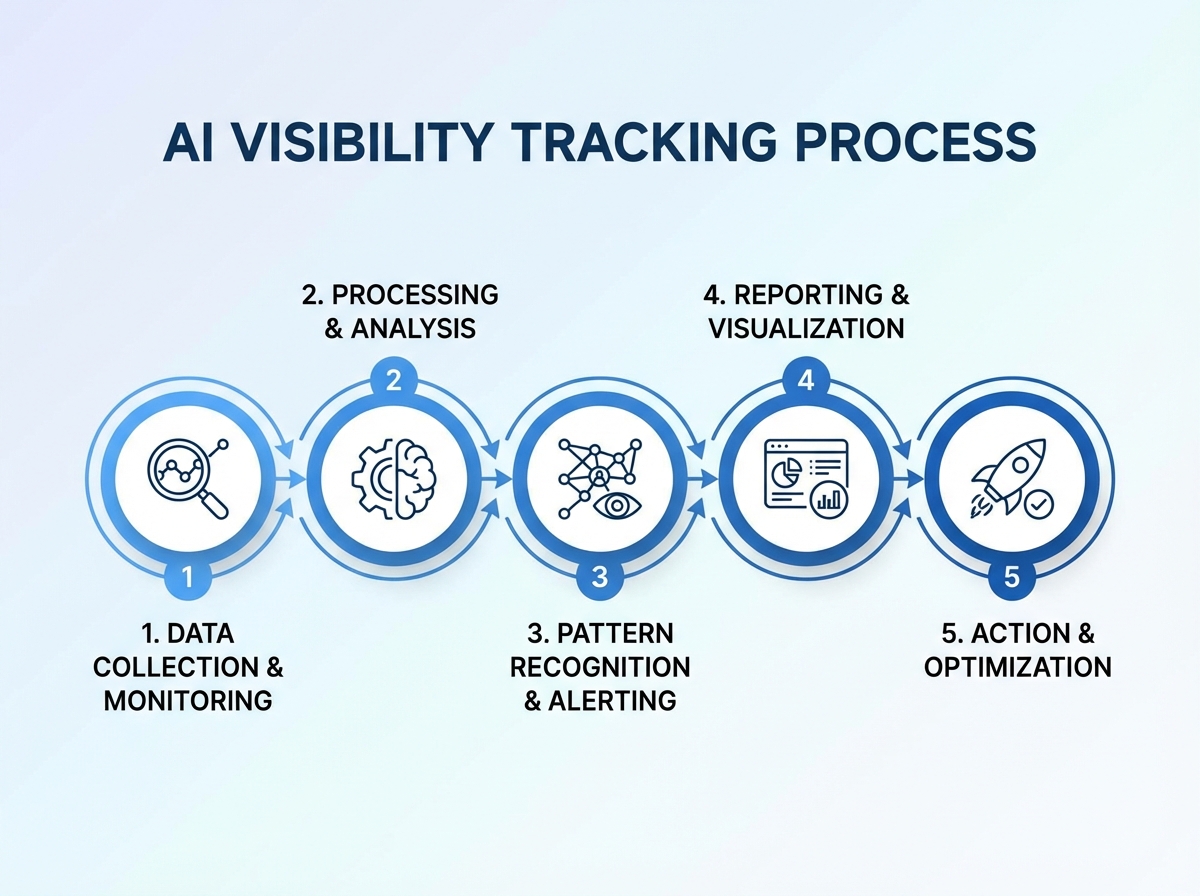
Starting with AI visibility tracking doesn't require a large budget or a dedicated team. A practical approach involves four phases that build on each other.
Phase 1: Establish your baseline. Before optimizing anything, understand where you currently stand. Pick 20 to 30 queries that your target customers are likely asking AI assistants. These should span informational queries ("what is [your category]?"), comparison queries ("best [your category] tools"), and recommendation queries ("which [product type] should I use for [use case]?"). Test these across ChatGPT, Gemini, and Perplexity. Log whether your brand appears, what position it holds, and what the AI says about you.
Phase 2: Identify your visibility gaps. Compare your AI visibility baseline against your traditional search rankings. You'll likely find queries where you rank well on Google but are absent from AI responses, and possibly the reverse. The gaps where you have search authority but no AI presence represent your best optimization opportunities because you already have content that could be cited.
Phase 3: Implement tracking. Set up automated monitoring using a tool like Gondla's Citation Radar to continuously track your target queries. Configure alerts for significant visibility changes in either direction. Establish a reporting cadence (weekly or biweekly works for most teams) so you can spot trends and measure the impact of optimization efforts.
Phase 4: Optimize and iterate. Use your tracking data to prioritize content improvements. If AI assistants consistently cite a competitor for a query where your content is actually more comprehensive, investigate what structural or authority signals the competitor has that you're missing. Create or update content to fill gaps, then monitor whether your visibility improves.
Measuring Your AI Visibility
Once your tracking is in place, the question becomes: what metrics actually matter? Not all AI mentions are created equal, and focusing on the right measurements prevents you from optimizing for vanity metrics.
Citation rate is the most fundamental metric. Out of your target queries, what percentage include a mention of your brand? Track this across individual AI platforms and as an aggregate. A healthy initial goal for an established brand is 30% or higher citation rate for core category queries.
Citation position matters almost as much as whether you're cited at all. Being the first brand mentioned in an AI response carries more weight than appearing as the fourth option in a list. Track your average position across citations to measure whether you're gaining prominence, not just presence.
Sentiment and context distinguish a helpful citation from a damaging one. An AI assistant might mention your brand only to highlight a limitation or recommend a competitor instead. Tracking the qualitative aspect of citations ensures you're not just counting mentions but understanding what those mentions communicate to potential customers.
Competitive share of voice compares your citation rate against direct competitors for the same queries. If a competitor is cited in 60% of your target queries and you're at 25%, you have a clear benchmark and motivation. This relative metric is often more actionable than absolute citation rate because it directly reflects competitive dynamics.
Trend direction matters more than any single snapshot. Are your metrics improving week over week? Can you correlate improvements with specific content changes or optimization efforts? A consistent upward trend, even from a low base, indicates that your strategy is working. A declining trend, even from a strong position, signals a need for attention.
Building an AI Visibility Strategy That Works
Tracking is only valuable if it drives action. The most effective AI visibility strategies combine consistent monitoring with systematic content optimization. Start by mapping your content to the queries that matter most. For each high-priority query, ensure you have content that directly and clearly answers what users are asking. Structure that content with clear headings, concise summaries, and specific factual claims that AI systems can easily extract and cite.
Focus on building topical authority rather than chasing individual queries. AI assistants develop a model of which sources are authoritative on which topics. A comprehensive content hub covering your subject area from multiple angles sends stronger authority signals than scattered individual articles.
Update your content regularly. AI systems increasingly weight freshness, and content that includes current data, recent examples, and up-to-date information gets cited more reliably than stale resources. Build a review schedule into your content calendar so important pieces get refreshed quarterly.
Cross-reference your AI visibility data with traditional analytics. When you see a spike in direct or branded search traffic, check whether it correlates with improved AI citations. This connection helps you build the business case for continued investment in AI visibility optimization.
Frequently Asked Questions
What are AI visibility tracking tools?
AI visibility tracking tools are software platforms that monitor whether and how your brand appears in responses from AI assistants like ChatGPT, Gemini, and Perplexity. They automate the process of testing queries across AI platforms, logging citation data, tracking trends over time, and providing insights to help improve your brand's presence in AI-generated responses.
How is AI visibility tracking different from traditional SEO monitoring?
Traditional SEO monitoring tracks your keyword rankings in search engine results pages. AI visibility tracking measures something fundamentally different: whether AI assistants mention your brand when generating direct answers to user queries. The ranking factors, optimization strategies, and measurement approaches are distinct, which is why dedicated AI visibility tracking tools exist alongside traditional SEO platforms.
Can I track my AI visibility without specialized tools?
Yes, you can start with manual testing by systematically querying AI assistants and logging results. This approach works for establishing an initial baseline and validating whether AI visibility matters for your business. However, manual testing doesn't scale well and only captures a small sample of the queries your audience uses. Most teams that take AI visibility seriously eventually adopt automated tracking tools.
Which AI platforms should I track?
At minimum, track ChatGPT (the largest user base), Gemini (integrated into Google's ecosystem), and Perplexity (growing rapidly among research-oriented users). If your audience skews toward specific platforms, prioritize those. Tools like Gondla monitor multiple platforms simultaneously so you don't need to manage separate tracking for each one.
How quickly can I improve my AI visibility once I start tracking?
Results vary by industry, competitive intensity, and your starting position. Some brands see measurable improvement within two to four weeks of implementing targeted content optimizations. Building sustained, strong AI visibility typically takes three to six months of consistent effort. The key advantage of tracking is that it lets you measure progress and identify which specific actions drive the most improvement.
Created with Gondla - Track and improve your brand's visibility across AI assistants.